


Key Features to Look for in a Tire Changer for High-Volume Shops
High-volume tire shops face unique challenges when selecting equipment. Your tire changer needs to handle heavy workloads, diverse vehicle types, and demanding wheel assemblies while maintaining speed, safety, and profitability. The right equipment can transform your bay efficiency and reduce costly wheel damage, while the wrong choice creates bottlenecks and increases rework.
This guide covers the critical features you need to evaluate when choosing a tire changer for shops processing dozens or hundreds of wheels daily. We'll help you match your equipment to your workload and future growth plans.
Performance, Capability, and Core Mechanical Features
Match Equipment to Your Workload
Daily and peak wheel volume: Evaluate both average throughput and rush-period demand to ensure the tire changer can handle real-world operating conditions without creating bottlenecks.
Vehicle mix: Consider the range of vehicles you service, including fleet vehicles, performance cars, SUVs, light trucks, and EVs, to ensure the machine supports diverse wheel and tire assemblies.
Wheel specifications: Assess rim diameter and width ranges, along with the frequency of low-profile and run-flat tires, to confirm compatibility with your most demanding applications.
Market and growth outlook: Factor in projected volume growth over the next 12 to 24 months and the increasing prevalence of heavier EV and specialty wheels when planning equipment capacity.
Clamping System and Rim Protection
The clamping system determines both speed and finish protection. Center-clamp systems offer faster wheel changes and better clearance for specialty wheels, while four-jaw rim-clamp systems provide precise positioning and work well with damaged or bent rims.
Verify the machine's clamping range covers your minimum and maximum rim diameters and wheel widths. Quick-change protective inserts on jaws and mounting heads reduce changeover time and protect expensive finishes. Look for adjustable mount and demount heads with precise rim-edge offset and automatic tool head positioning to minimize manual adjustments.
Bead Breaking and Sidewall Management
Your bead breaker type affects how well you handle difficult tires. Shovel or paddle systems work for standard passenger tires, but dual-roller or power-roller systems deliver the force needed for low-profile, run-flat, and stiff EV tires.
Check bead-loosening force ratings against your toughest applications. Helper arms, push rollers, bead lifting discs, and third-arm options reduce operator effort and prevent bead damage on stubborn sidewalls. The table top should provide adequate traction and wheel restraint under high sidewall loads.
Leverless vs. Lever-Assisted Demounting
True leverless systems eliminate the tire iron entirely, reducing bead damage and operator fatigue. These systems prove especially valuable for low-profile and run-flat tires, delivering consistent results regardless of technician skill level.
Consider tooling durability, consumable costs, and changeover speed when comparing systems. While leverless changers typically cost more upfront, they can reduce wheel damage claims and speed up difficult tire changes.
Inflation Systems and Safety
Integrated inflation with foot-pedal modulation and precise gauging speeds up your process. Preset or auto-stop options reduce overinflation risks. Blast-inflation capability helps seat difficult beads quickly.
Safety interlocks, guards, and emergency stops protect technicians. Verify OSHA, CE, or UL compliance for your region. For truck and light truck applications, confirm whether you need inflation cages based on your shop policy and local regulations.
Compatibility and Expandability
Verify certified support for ultra-high-performance, run-flat, ultra-wide, beadlock off-road, and reverse-drop-center wheels. Check availability of motorcycle and ATV adapters, dually adapters, and specialty cones or collets if you service these vehicles.
Look for future-proof upgrade paths such as additional helper arms or software updates that extend the machine's useful life as your business grows.
Infrastructure, Technology, and System Integration
Power, Air, and Facility Requirements
Electrical specifications: Confirm voltage, phase, and amperage requirements align with your available power infrastructure to avoid installation limitations or performance issues.
Pneumatic requirements: Verify minimum PSI and CFM levels, along with appropriate air filtration and water separation, to ensure consistent performance and equipment longevity.
Physical space and layout: Evaluate floor space, clearance, arm swing radius, and anchoring requirements to ensure the tire changer integrates safely and efficiently into your bay layout.
Environmental considerations: Account for noise levels, dust, and debris management in high-traffic service bays to maintain safe and efficient working conditions.
Automation, Controls, and Repeatability
Memory and auto-positioning for mount heads and helper arms reduce setup time and errors. Digital readouts for rim diameter, width selection, and inflation pressure help technicians make correct choices quickly.
Error-proofing features like LED indicators and standard operating procedure prompts help standardize outcomes across your team and reduce damage from incorrect settings.
Integration with the Rest of the Bay
Balance your tire changer capacity with wheel balancer throughput to avoid bottlenecks. Plan staging areas for incoming and outgoing wheel sets, torque equipment, and TPMS tools.
Implement TPMS-friendly processes including sensor protection, reseat kits, and streamlined valve service workflows to reduce sensor damage and rework.
Reliability, Cost, and Business Impact
Build Quality, Uptime, and Serviceability
Frame rigidity, turntable drive design, and gearbox protection from debris determine long-term reliability. Access panels for routine service and modular components enable quick part swaps to minimize downtime.
Investigate wear parts availability and local stocking. Long lead times on common consumables create costly downtime. Ask about Mean Time Between Failure expectations and request field reliability references from similar-volume shops.
Maintenance and Operating Costs
Routine maintenance tasks: Plan for regular lubrication, slide and guide rail cleaning, and air system servicing to maintain consistent performance and prevent premature wear.
Consumables: Budget for ongoing replacement of rim protectors, mount head inserts, bead rollers, and bead lubricant based on expected usage and workload.
Operating expenses: Estimate compressed air and electricity consumption at your target throughput to understand the ongoing operational cost of the equipment.
Total cost of ownership (TCO): Evaluate the combined impact of purchase price, consumables, scheduled maintenance, and potential downtime to make an informed long-term investment decision.
Training, SOPs, and Risk Reduction
Comprehensive onboarding for leverless systems, run-flat procedures, and rim-finish protection techniques protects your investment and reduces damage claims. Establish standardized bead lube application methods and damage-avoidance checkpoints.
High-turnover teams benefit from certification options for technicians and regular refresher training to maintain consistent quality.
Warranty, Support, and Vendor Evaluation
Review warranty terms carefully. Understand what's covered under parts versus labor, travel time policies, and response-time service level agreements. Evaluate the service network coverage and availability of on-site support in your area.
Determine whether installation, calibration, and operator training are included or add-on costs. Request trial or demo options on equipment representative of your toughest jobs. Ask for references from similar-volume shops and inquire about loaner policies during major repairs.
KPIs and ROI Modeling
Track tires per hour per technician, rework and claim rates, and average ticket time. Calculate damage cost avoidance from leverless systems and helper-arm adoption.
Quantify labor savings from wheel lifts and automation features. Determine your payback period and breakeven point based on realistic throughput increases and damage reduction.
Common Pitfalls to Avoid
Don't under-spec bead-breaking force if you regularly service ultra-high-performance or EV tires. Skipping a wheel lift in high-volume EV or SUV markets slows your operation and increases technician fatigue. Ignoring consumable costs and availability leads to unexpected operating expenses. Mismatching tire changer throughput to balancer capacity creates workflow bottlenecks.
Conclusion and Next Steps
Choosing the right tire changer for your high-volume shop requires aligning features with your current workload, risk profile, and growth plan. Validate your choice on a demo with wheel sets representative of your most challenging jobs.
Lock in training schedules, maintenance procedures, and parts stocking agreements before your machine goes live. The right equipment increases throughput, reduces damage claims, and improves technician satisfaction while positioning your shop for future growth.
Explore our full line of tire changers designed for professional shops handling high-volume workloads.
Built For Busy Bays: Why Ease of Use Matters More Than Ever
Tire Tread Depth: What You Need to Know
Alignment Made Smarter: Optimizing A-Arm Adjustments with Intelligent Guidance
Customer Trust and Precision You Can See: Using Alignment Technology to Build Confidence
How to Choose the Right Tire Balancing Machine for Your Shop
How Alignment Services Increase Customer Retention for Tire Shops
The ROI of 3D Wheel Alignment Systems
Hands-On Innovation: How EZ-Toe™ Simplifies Toe Adjustments
Wheel Alignment: A Complete Guide
How to Choose the Best Tire Machine for Your Shop
Symmetric vs Asymmetric Lift: The Key Differences Every Shop Should Know
How to Use a Tire Machine: A Step-by-Step Guide for Safe Operation
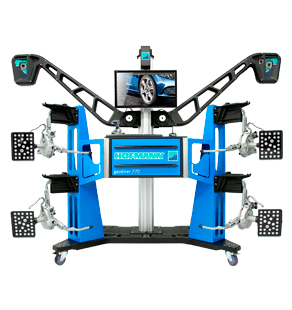 Wheel Aligners
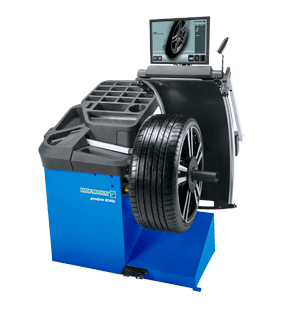 Wheel Balancers
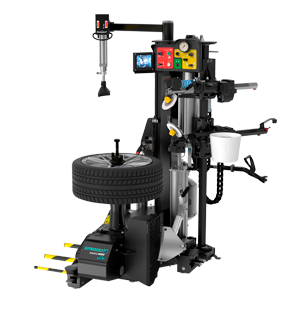 Tire Changers
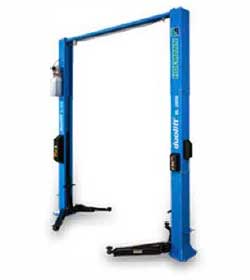 Lifts
Lifts


